Discover the Artistic Legacy of Rembrandt at Florida’s Norton Museum of Art
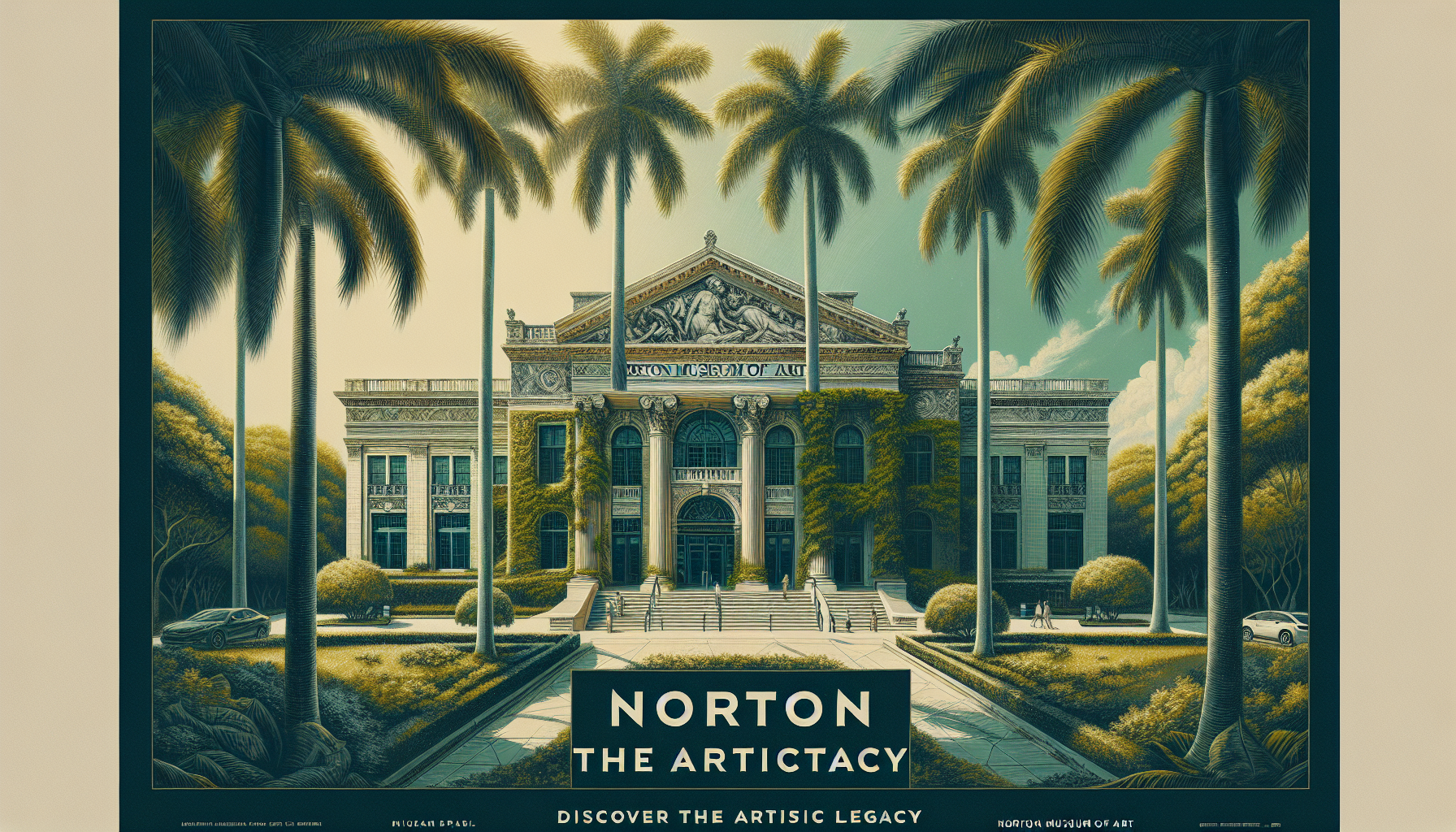
The Norton Museum of Art in West Palm Beach, Florida, is currently showcasing an extraordinary exhibition that provides visitors with an exclusive insight into the life and art of the renowned Dutch master, Rembrandt van Rijn. This significant event marks the U.S. debut of the esteemed Leiden Collection, featuring the only privately owned painting by Johannes Vermeer, alongside a remarkable selection of works from the Dutch Golden Age.
Rembrandt van Rijn, known for his profound impact on the art world, continues to be a source of inspiration centuries after his passing. This exhibition, “Art and Life in Rembrandt’s Time: Masterpieces from the Leiden Collection,” offers an unparalleled opportunity to view one of the largest private collections of Rembrandt’s works, just a short trip from Miami.
The Leiden Collection is renowned for its extensive array of Rembrandt paintings, boasting 17 pieces—the largest private collection in the world, second only to the Rijksmuseum’s collection in Amsterdam. Complemented by over 200 additional works from Dutch Golden Age artists such as Frans Hals, Carel Fabritius, and Vermeer, this exhibition is a must-see for art enthusiasts.
The exhibition is monumental for several reasons: it is the first major showcase of Rembrandt’s paintings in Florida, the largest exhibition of 17th-century Dutch paintings from a private collection in the U.S., and it uniquely features the only private Vermeer painting. Interestingly, the exhibition coincides with the 400th anniversary of New Amsterdam’s founding, now Manhattan, by the Dutch—a curious choice given its Florida location rather than New York.
While the Dutch Golden Age is often associated with vibrant still lifes and floral arrangements, the Leiden Collection emphasizes figuration. Portraits, self-portraits, genre scenes, and religious depictions dominate, highlighting humanity’s central theme. Notable artists such as Ferdinand Bol and Arent de Gelder, Rembrandt’s renowned students, and his contemporary Jan Lievens, are also featured, providing a rich creative context.
Organized thematically, the exhibition intersperses Rembrandt’s works with those of his peers, offering insights into their technical execution and compositional styles. This juxtaposition reveals how each artist contributed to the evolution of Western art.
The exhibition’s thematic sections shed light on 17th-century customs, attire, and attitudes in the Dutch Republic. Portraits like Frans Hals’ “Portrait of Samuel Ampzing” (1630) and Rembrandt’s “Young Girl in a Gold Trimmed Cloak” (1632) illustrate the balance between modesty and affluence, reflecting Calvinist virtues with subtle yet luxurious details.
Religious themes, prevalent during the era, are exemplified in Pieter van Laer’s “Self-Portrait with Magic Scene” (ca. 1635–1637), a striking painting that embodies the era’s symbolic language with elements like a skull and extinguished candle, serving as memento mori.
Within this context, Rembrandt remains a central figure. His self-portraits, including the modest “Self-Portrait with Shaded Eyes” (1632), contrast with more elaborate compositions like “Minerva in Her Study” (1635). This comprehensive range, displayed alongside works by his contemporaries, highlights a transformative artistic ecosystem.
“Art and Life in Rembrandt’s Time” not only honors Rembrandt’s historical significance but also explores the dynamic innovations of the Dutch Golden Age. This exhibition offers a profound reflection on Rembrandt’s synthesis of artistic advancements.
“Art and Life in Rembrandt’s Time: Masterpieces from the Leiden Collection” is available for viewing at the Norton Museum of Art, West Palm Beach, until March 29, 2026.