Art Basel Miami Beach: Shifting Tastes and Emerging Trends in the Art World
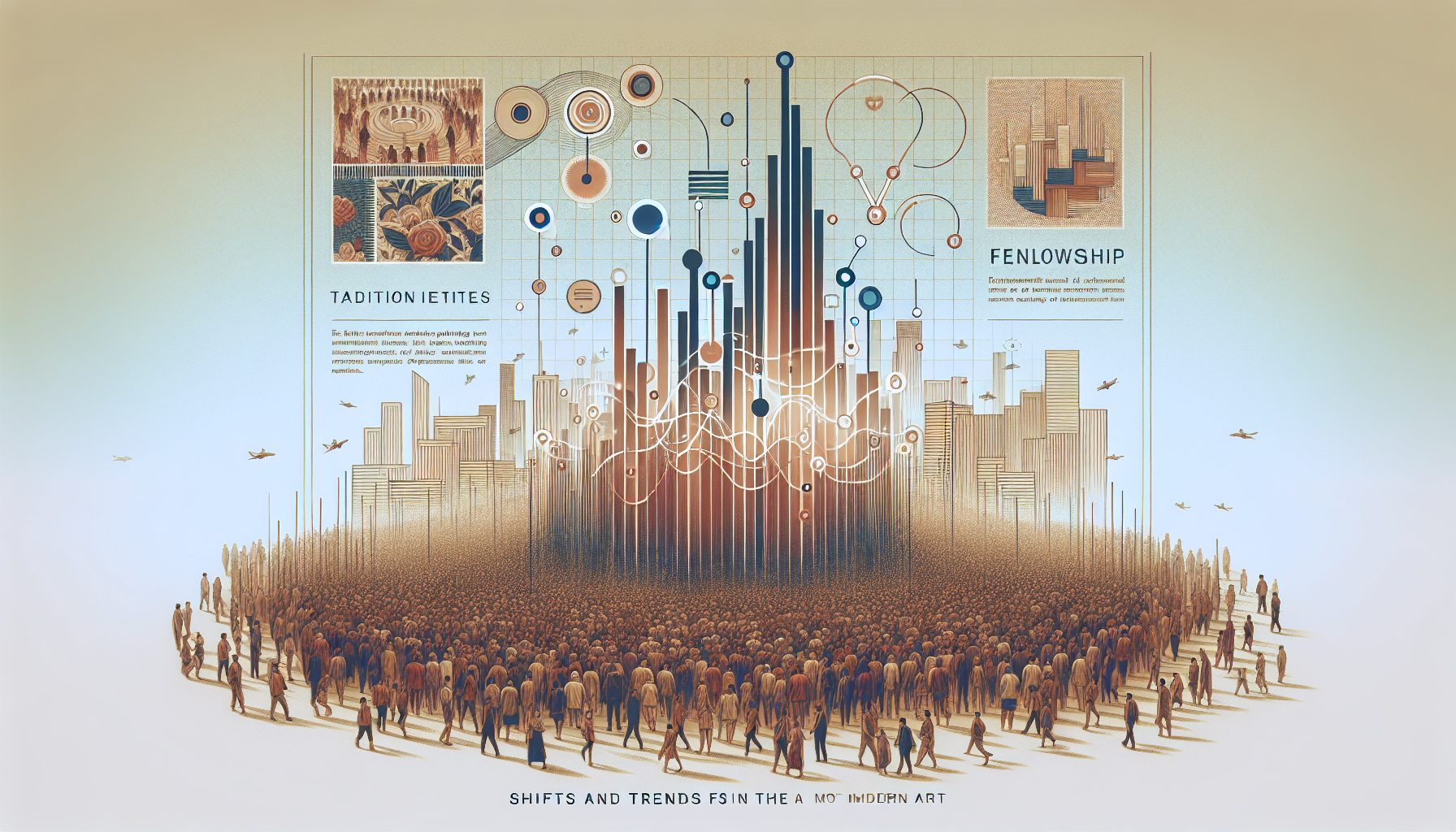
At this year’s Art Basel Miami Beach, the question of who dictates taste in the art world took center stage. According to insiders, traditional institutions are no longer leading the way. Fellowship and ARTXCODE, featuring IX Shells in the Zero 10 section, highlighted this shift, as reported by Naomi Rea on December 8, 2025.
During Miami’s bustling art week, attendees weighed their party options. While some events were easily bypassed, a standout was a 2 Chainz performance at Soho House’s beach tent. Following the exhilarating $2.2 billion New York auctions, a cautious optimism permeated the art market. Dealers exchanged videos of Sergey Brin’s $450 million yacht, Dragonfly, docking in Miami alongside Jan Koum’s $220 million Moonrise, signaling promising prospects ahead.
As the week concluded, optimism was justified. Sergey Brin was seen browsing Art Basel, and numerous five-figure art sales at satellite fairs hinted at six-figure purchases at the main event. By the end, significant sales, such as an $18.5 million Joan Mitchell painting at Gray by dealer Lillian Heidenberg for a U.S. client, had dealers celebrating with champagne. However, the festivities occurred against a backdrop of uncertainty. The art world is adapting to entice new wealth, facing “old money” collectors less interested in art and “new money” buyers who prioritize status symbols over tradition. Art Basel Miami Beach posed a critical question: Can the art world adapt quickly enough to engage this new audience, and what are the consequences if it fails?
During the fair, Art Basel’s leaders acknowledged changing dynamics. The company appointed Elena Soboleva, David Zwirner’s former online sales director, to engage the next generation of collectors. This shift was evident in media surrounding the fair, with art publications producing short-form videos and live-streaming podcasts. The Gray Market’s Tim Schneider, now an independent journalist, remarked, “I’m a content creator now,” as he competed with influencers for attention.
The showcased art indicated shifting demand. Dealers relied on secondary-market pieces to support new works, catering to more cost-conscious collectors. The Positions sector widened its definition of “emerging” artists, featuring lesser-known older artists alongside fresh talents. However, the real spotlight was on the Zero 10 section dedicated to digital art. Although some traditionalists dismissed the new section, it buzzed with excitement. Sponsored by NFT platform OpenSea and curated by Eli Scheinman, Zero 10 aimed to attract digital-native collectors and bridge the gap for traditional buyers. Pablo Rodriguez-Fraile, a younger collector, praised the initiative, stating it was “a long time coming.”
Outside the convention center, the art world realigned itself. The Art Dealers Association of America announced the return of its Art Show as the ADAA Fair in 2026, with executive director Kinsey Robb emphasizing responsiveness to cultural needs. Meanwhile, Pace Gallery, Emmanuel Di Donna, and Sotheby’s David Schrader unveiled a joint secondary-market business, reflecting the collaborative spirit of South Beach, where competitors co-hosted events.
Kate Bryan, Soho House’s chief art director, focused on making art less intimidating. Alongside curator Anakena Paddon, she reshaped the Beach House’s collection, emphasizing photography. “We must open doors to art,” Bryan stated, “without compromising its essence.” She advised making art pricing transparent and explaining artworks’ significance to enrich lives.
Museums and institutions are under pressure to expand their audiences. Bryan advocated for child-friendly approaches, while a digital artist from Botto highlighted museums’ need for tech infrastructure. “Artists grew up with museums as cultural references,” he said, “but updating is essential.” Despite challenges, institutions offer cultural capital that new communities can’t quickly replicate. “The crypto community is drawn to their pull,” he noted.
During a party at Mandolin, Jon Ott of Richard Hunt’s foundation remarked on institutions losing their kingmaker status. He criticized the market’s influence on taste, with curatorial autonomy diminishing. Some institutions, like the Pérez Art Museum Miami, are becoming entrepreneurial, drawing revenue from on-site advertising. Pete Scantland, behind PAMM’s billboard, argued it provides museums creative freedom, contrasting it with gallery-dictated programs.
By week’s end, Miami offered strategies for engaging new patrons: embrace video, digital art, and meet audiences where they are. However, less focus was on supporting artists. At her artist lunch, Kate Bryan encouraged enjoyment without demands. Artists expressed optimism, seeing the market slowdown as an opportunity for creative exploration. JR reflected on Miami’s past vibrancy but appreciated the current market pace. “People now pursue projects for their own sake,” Bryan observed. Returning to art and artists’ visions could guide the art world forward, she suggested.